
Hurricane season in Cypress and Katy does not usually arrive with much warning. One week it is normal summer heat. The next week grocery store shelves are empty, gas stations have lines around the block, and CenterPoint outage maps are lighting up across Houston.
If you lived in northwest Houston during Hurricane Harvey, Hurricane Beryl, or even the Texas freeze events, you already know storms here are not just about wind. They are about flooding, prolonged power outages, rising indoor humidity, spoiled food, dangerous attic temperatures, and figuring out how to protect your home when normal routines disappear for days.
For homeowners in Cypress, Katy, Bridgeland, Towne Lake, and surrounding northwest Houston communities, hurricane preparation is less about panic and more about reducing avoidable problems before a storm ever forms in the Gulf.
At The General Heating & Air, we spend a lot of time helping homeowners deal with the comfort side of Gulf Coast weather. Adé Sampson, our licensed HVAC contractor and ten-year U.S. Air Force veteran, has seen firsthand what major storms do to homes–including in the aftermath of Hurricane Maria. That experience shapes how we approach every conversation about storm prep. In this guide, we’ll walk through practical hurricane preparation steps for homeowners in the greater Houston area, including how to protect your home, your family, and your HVAC system before storm season ramps up.
Houston-area hurricane preparation is different from coastal preparation in a few important ways.
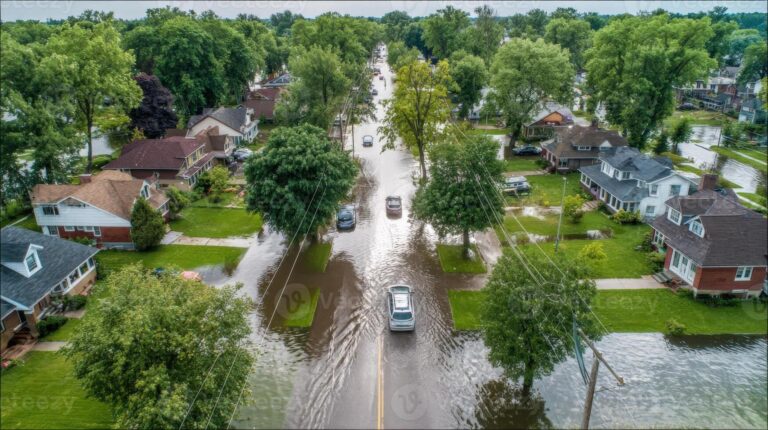
For many homeowners in Cypress and Katy, flooding causes more disruption than hurricane-force winds.
Hurricane Harvey became the defining example of this across the Houston area. While many master-planned communities in northwest Houston performed relatively well, neighborhoods near Cypress Creek and areas surrounding the Barker and Addicks reservoirs experienced severe flooding.
That changed how many local homeowners think about hurricane season. The question is no longer just, “How strong is the storm?” It is also:
According to the Harris County Flood Warning System, even inland neighborhoods can experience dangerous flooding during major rain events. Monitoring local flood conditions matters just as much as tracking the storm itself.
One detail that is easy to overlook during storm preparation is where HVAC equipment is located.
In Cypress and Katy homes, air handlers are commonly installed in attics. During extended outages, attic temperatures can climb quickly, especially in August and September. That can create serious humidity and comfort issues inside the home once airflow stops.
If power is lost for multiple days:
Preparing your HVAC system before hurricane season helps reduce avoidable stress on your equipment when storms arrive.
After Hurricane Beryl, many Houston-area homeowners realized how disruptive multi-day outages can become.
Even homes without flood damage dealt with:
A realistic hurricane plan assumes you may lose power for several days, not several hours.
That mindset changes how you prepare.
One of the biggest mistakes homeowners make is focusing only on hurricane categories.
A lower-category storm with extreme rainfall can create far more local disruption than a stronger storm that moves quickly through the region.
Harvey reshaped hurricane preparation across Houston because it showed how dangerous stalled rainfall can become.
According to the Harris County Flood Warning System and FEMA flood guidance, many flooded homes during Harvey were outside traditionally designated flood zones.
That is one reason flood insurance conversations changed so dramatically after 2017.
Even if your neighborhood has never flooded before, that does not automatically mean it never will.
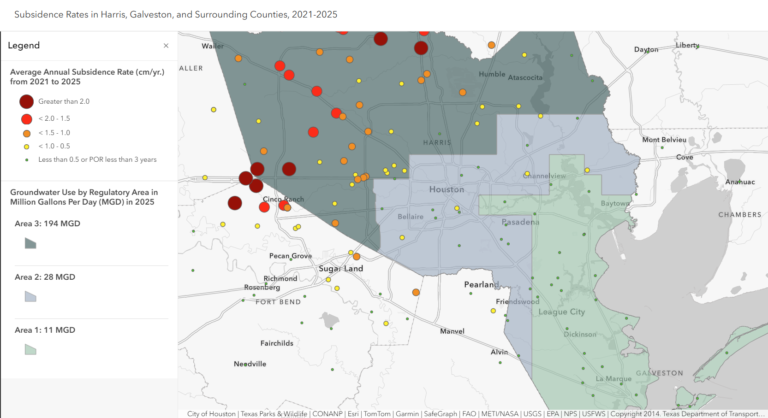
Flood preparation conversations across west Houston changed again this spring after new reports showed parts of Katy and Fulshear continue to experience measurable land subsidence, meaning the ground is gradually sinking over time.
According to reporting from KPRC Click2Houston, ABC13, and data from the Harris-Galveston Subsidence District, some areas near Katy have sunk more than a foot since 2007 due largely to rapid growth and groundwater withdrawal across the region.
That does not mean experts are predicting catastrophic flooding this hurricane season specifically. But it does mean flood risk conversations are evolving.
When land elevations gradually change, drainage patterns can change too. Over time, that can affect:
For homeowners in Cypress, Katy, Fulshear, and surrounding northwest Houston communities, the takeaway is not panic. It is preparation.
Even homes outside traditional flood zones should take hurricane readiness seriously in this part of Texas.
That includes:
As west Houston continues to grow rapidly, flood preparedness is becoming less about whether a neighborhood flooded historically and more about how changing infrastructure, rainfall patterns, and drainage systems interact during major storms.
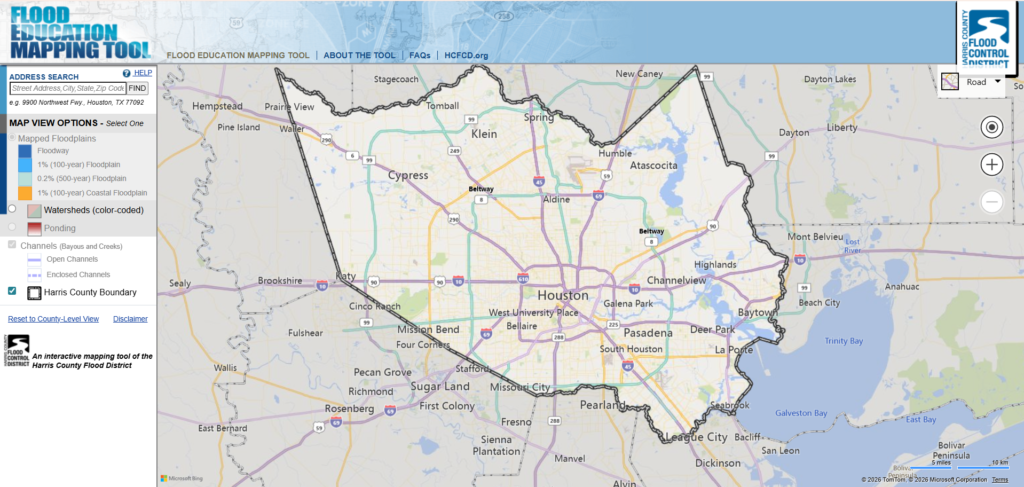
Before hurricane season starts, homeowners should review:
Useful local resources include:
Pay attention to:
Many Houston-area homeowners discovered after Harvey that standard homeowners insurance policies typically do not cover flood damage.
Flood insurance decisions are personal and financial, but hurricane season is not the time to discover coverage gaps.
The official FEMA-backed FloodSmart resource explains policy options and waiting periods before coverage activates.

Every major Houston storm follows the same pattern:
The best time to prepare is before a storm enters the Gulf.
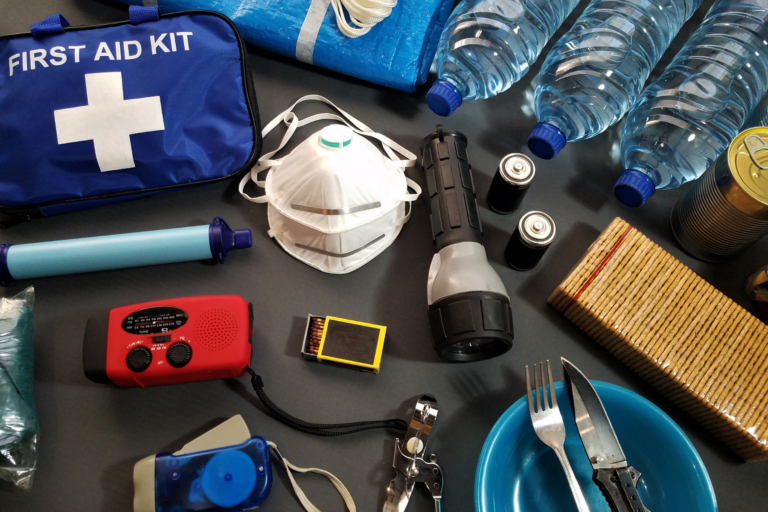
A hurricane kit should include:
Ready.gov and NOAA both recommend preparing enough supplies for multiple days without utilities.
For Houston-area homeowners specifically, heat management matters more than many people realize.
After summer storms, indoor temperatures can become dangerous quickly without air conditioning.
Power outages in Houston heat create two immediate problems:
If you use:
…you should have a realistic plan for fuel access and backup charging before storm season begins.
Your HVAC system works hardest during hurricane season because storms bring two things Gulf Coast homes struggle with most:
A few preventative steps before storm season can help reduce avoidable problems later.
Dirty filters restrict airflow and force systems to work harder during already stressful weather conditions.
If a storm causes prolonged indoor humidity or reduced airflow, clogged filters can worsen comfort problems quickly.
Replacing your filter before hurricane season is one of the simplest preventative steps homeowners can take.
Clear debris around your outdoor condenser
Outdoor units should remain free from:
Before major storms, secure or move:
Flying debris can damage outdoor equipment during high winds.
Do not cover your outdoor unit with a tarp unless your owner’s manual specifically says to. A tarp traps moisture inside the unit and can cause more damage than the storm itself. Your outdoor unit is built to handle rain.
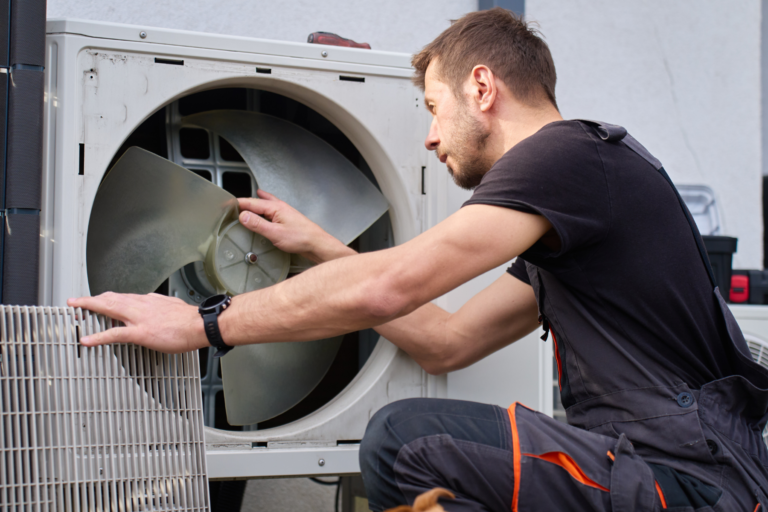
As your system cools your home, it pulls moisture out of the air. That moisture drains through a small line — usually through the exterior wall or into a floor drain. If that line is clogged, water backs up and can overflow the drain pan inside your home.
Checking the condensate drain line before storm season takes a few minutes and can prevent water damage inside the home.
Power fluctuations during storms can damage HVAC electronics and thermostats.
Surge protection can help reduce risk during:
If your power goes out during a storm:
Walk around your outdoor unit and take photos from every angle. Do the same for the area where your indoor unit lives.
If you need to file an insurance claim after the storm, photos taken before any damage are worth more than most people expect.
Because many Cypress and Katy homes have attic-mounted air handlers, prolonged outages create additional stress inside the home.
Attics can reach extreme temperatures during Houston summers. Once airflow stops:
This is one reason homeowners often feel uncomfortable long after electricity returns.
If you want your system assessed before storm season starts, getting it done early puts you ahead of the post-storm rush. Home Protection Plan members get priority scheduling — which matters when every HVAC company in Cypress and Katy has a full waitlist after a major storm. See what the Home Protection Plan covers.
After recent Houston storms, generator ownership increased significantly across the area.
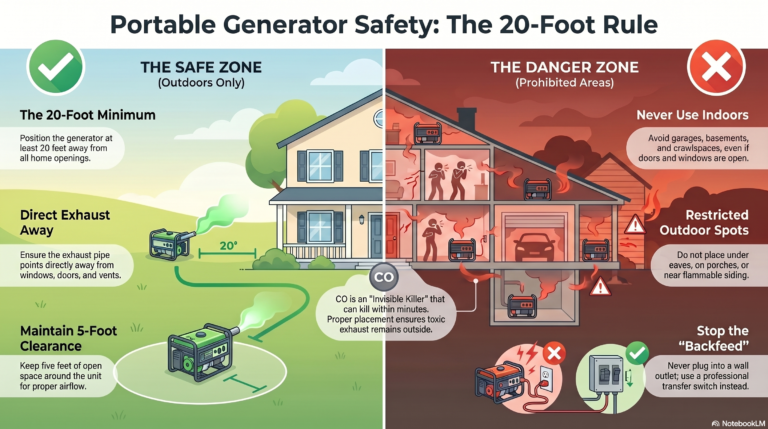
Generators can help during outages, but they must be used safely.
According to NOAA and emergency management agencies, generators should never operate:
Carbon monoxide buildup can become deadly very quickly.
Even partially open garages are not considered safe.
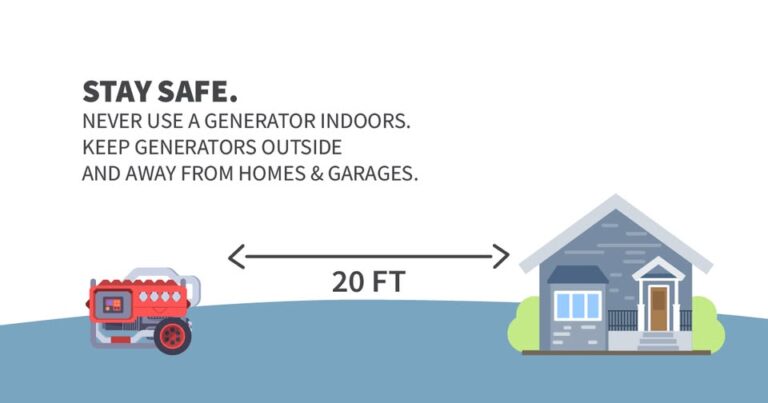
Improper generator use can damage:
Portable generators should only power equipment they are rated to handle.
If homeowners are considering whole-home backup systems, hurricane season often becomes the event that pushes those conversations forward. Preparation and safe operation matter more than rushing into equipment purchases during an active storm cycle.
Power fluctuations during storms can damage HVAC electronics and thermostats.
Surge protection can help reduce risk during:
If your power goes out during a storm:
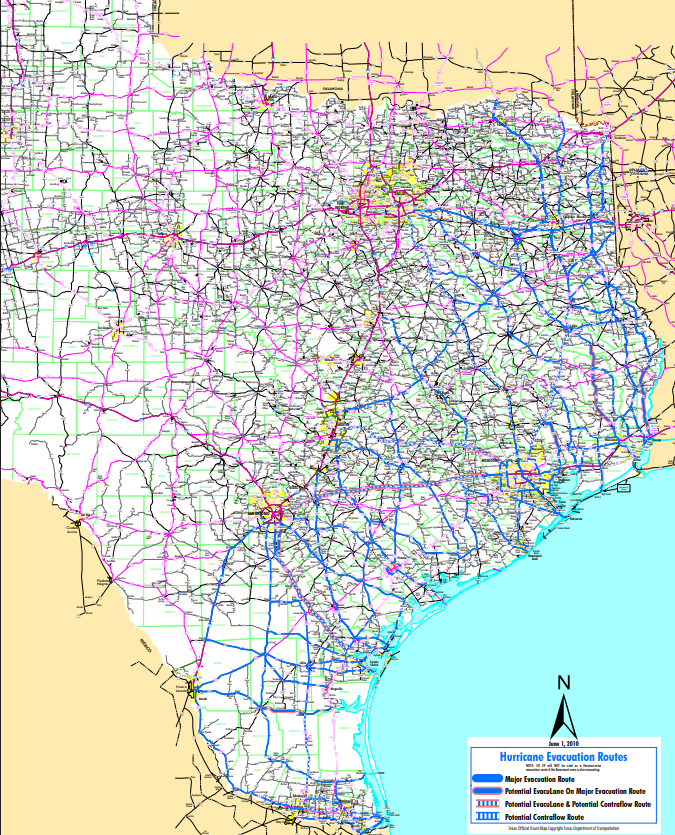
One of the most stressful parts of Houston hurricane season is deciding whether to leave or stay.
For inland communities like Cypress and Katy, evacuation decisions are usually based more on:
…than direct storm surge risk.
Reliable hurricane updates should come from:
Social media misinformation spreads quickly during storms.
Houston-area evacuation traffic can become dangerous during large-scale storm events.
For many inland residents, sheltering safely at home with proper preparation may be the safer option unless officials recommend evacuation.
That decision depends on:
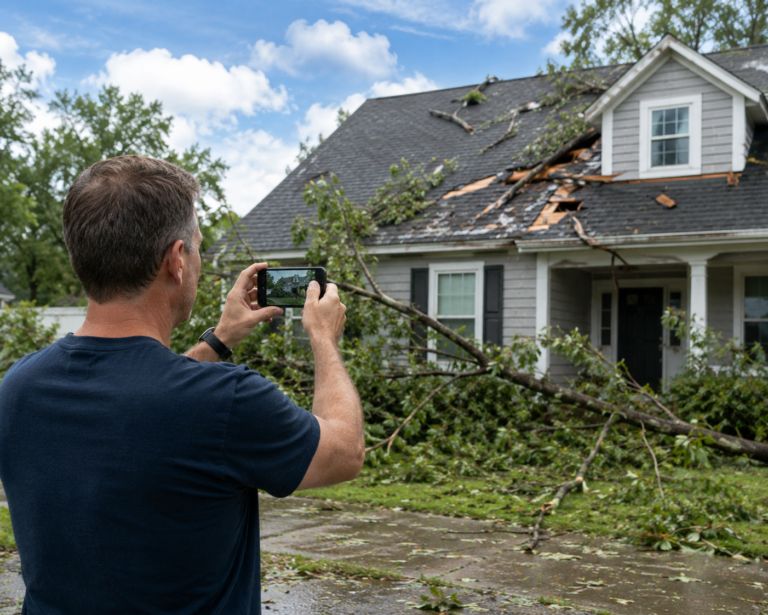
The hours after a storm can be just as dangerous as the storm itself.
Avoid:
Floodwater may contain:
Children and pets should stay out of floodwater entirely.
If floodwater reached any HVAC equipment, do not immediately restart the system.
Flood exposure can damage:
Outdoor units that were submerged should be professionally evaluated before operation.
Before you turn anything on, walk outside and look at your outdoor unit. Check for visible damage — bent or crushed fins, debris stuck inside, dents or impact marks. If anything looks wrong, call before you power it back up.
Also check the attic or wherever your indoor unit lives for signs of water or moisture. If the attic took on water from a roof breach or heavy wind-driven rain, the unit needs to be looked at before it runs.
Call before restarting if any of these are true:
A post-storm check is a diagnostic visit, not a tune-up. If something was damaged, you’ll know exactly what it is and have clear options. Here’s how to choose the right HVAC company when you need one after a storm.
Houston humidity creates mold risks quickly after outages or flooding.
Pay attention to:
Even homes without direct flood damage may struggle with elevated indoor humidity after prolonged outages. If any of those signs show up after the storm, schedule an indoor air quality assessment. We cover what to watch for in more depth here: Why Your House Feels Humid (and Why It Gets Worse During Allergy Season).
Many homeowners outside traditional flood zones experienced flooding during Harvey. Flood risk depends on rainfall, drainage, elevation, and nearby waterways, not just FEMA zone designations.
NOAA and Ready.gov recommend preparing for several days without utilities. In Houston-area summer conditions, planning for extended outages is wise.
If power becomes unstable or outages occur, it is usually safest to turn the thermostat off until power stabilizes again.
Floodwater can damage electrical and mechanical components. Systems exposed to flooding should be evaluated before restarting.
No. Emergency agencies warn that generators should never operate inside garages because of carbon monoxide risks.
Useful local resources include:
Not always. Evacuation decisions depend on flooding risks, official guidance, infrastructure concerns, and individual household needs.
Homeowners should:
Hurricane season in northwest Houston is not something homeowners can control, but preparation changes how disruptive a storm becomes.
A few practical steps now can make a major difference later, especially when it comes to flooding, prolonged outages, indoor humidity, and protecting your HVAC system from avoidable damage.
For homeowners in Cypress, Katy, Bridgeland, Towne Lake, and surrounding northwest Houston communities, preparation is really about reducing stress before storm season ramps up.
If you want your AC system checked before peak summer and hurricane season arrive, scheduling early gives you time to address any issues before the last-minute rush that follows the first major storm watch.
Schedule your appointment online or call us at (832) 558-8539. The General Heating & Air serves Cypress, Katy, and surrounding northwest Houston communities.
Veteran-Owned. Family-Run. Dr. Mom Approved.