Jump to section
Have you ever walked upstairs on a hot Houston summer afternoon and felt like you just stepped into a sauna?
If so, you aren't alone, and there's a real reason it's happening.
I'm Dr. Toya, an OB-GYN, mom of two, and co-founder of The General Heating & Air. And I'll be honest with you: I've experienced this problem firsthand.
When we first moved to Cypress, my kids' room was always hot. Not warm, hot. We started dropping the thermostat an hour before bedtime just to get the room comfortable enough for them to fall asleep. The rest of the house felt fine. Their room felt like it hadn't gotten the message.
I didn't understand why until I asked my husband, the licensed HVAC contractor in our family. He walked me through exactly what was happening, and once he explained it, everything made sense.
Here's exactly what's going on, and what you can do about it.
What You’ll Learn in This Guide
- Why heat rises to your kids' rooms and why your AC doesn't know it
- The 4 reasons your upstairs stays hot no matter what you do
- How to Cool Down Your Upstairs Fast (DIY Fixes That Work)
- Long-term solutions that actually keep the kids' rooms comfortable all summer
Why Upstairs Gets Hotter Than Downstairs (The Real Reason)
To fix the problem, we first have to understand the physics of your home.
What is the stack effect?
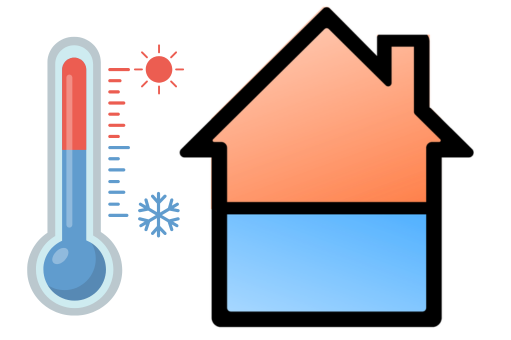
Hot air is naturally lighter than cold air, which means it constantly rises. In a two-story home, this creates what we call the "stack effect." The warm air floats up to the second floor, and the heavier, cooler air sinks down to the ground level.
This natural physics problem is made much worse by where your thermostat is reading the temperature.
Many two-story homes have a thermostat on each floor but even then, the thermostat is typically mounted in the hallway, right next to a vent. When that hallway hits your set temperature, the system shuts off. The problem is the hallway isn't where your kids are sleeping.
By the time conditioned air makes it into the actual bedrooms, the system has already shut off.
If you have little ones upstairs, or a teenager who's already figured out where the thermostat is, you know exactly how this plays out.
How HVAC Pros Fix Upstairs Cooling Problems for Good
If the quick fixes aren't enough, it is time to look at permanent solutions to keep your family comfortable.
Duct Sealing and Balancing
Having a professional seal leaks in your ductwork can reclaim that 20% to 30% of lost air, dramatically improving temperature distribution without needing a whole new AC.
Zoning Systems & Smart Sensors
A zoning system uses automatic dampers and multiple thermostats to treat your upstairs and downstairs as independent climate zones, so you're only heating or cooling the spaces that are actually occupied. The U.S. Department of Energy notes that programmable thermostat adjustments alone can save homeowners up to 10% a year on heating and cooling, and a properly installed zoning system with smart sensors takes that further by automating those decisions room by room.
Ductless Mini-Splits
If you have a master bedroom over a hot garage, a ductless mini-split provides hyper-efficient, independent cooling without requiring new ductwork. ENERGY STAR data shows these systems use up to 60% less energy than standard electric heating and cooling methods.
Variable-Speed Systems Older AC units blast at 100% capacity and then shut off. Variable-speed systems run at lower capacities for much longer periods, providing constant, gentle circulation that perfectly mixes the air throughout the whole house.
(If you are considering a new system, be aware that starting in January 2026, the Environmental Protection Agency (EPA) mandates that all new central air conditioners must use high-efficiency refrigerants with a Global Warming Potential below 700. Upgrading now means you benefit from this highly efficient, mandated technology!
Read more in our guide:"How Much Does It Cost to Replace an HVAC System in Cypress & Katy?")
4 Reasons Your Upstairs Is Hotter Than Downstairs
Beyond basic physics, there are usually underlying issues in your home making the problem worse.
1. Your Attic is an Oven
During a Houston summer, an improperly ventilated attic can easily reach temperatures of 150°F. Without proper insulation, this massive pocket of stagnant heat presses down directly onto your second-floor ceilings.
Houston's combination of intense solar radiation, high humidity, and temperatures that routinely hit 95–100°F from May through September, makes attic heat management one of the most critical, and most overlooked, factors in upstairs comfort.
2. Solar Heat Gain
Upstairs windows, especially those facing south and west, take an absolute hammering from the afternoon sun. This direct sun exposure introduces massive amounts of heat into the bedrooms faster than your AC can push cold air in.
In many Cypress and Katy subdivisions, bedrooms sit on the west side of the home, exactly where afternoon sun hits hardest between 2 and 6 PM.
3. Leaky and Inadequate Ductwork
The ductwork in your attic is like a highway for your air. Unfortunately, leaky ducts can lose 20% to 30% of your conditioned air before it ever reaches your upstairs vents. In Cypress and Katy, most homes were built with builder-grade ductwork installed to meet code minimums, not comfort maximums. That means leaks, poor insulation, and inadequate return air are far more common here than homeowners realize.
If you are missing return air vents upstairs, that stagnant hot air gets trapped because it has no way to be pulled back into the system to be cooled.
(Read more: "How Does HVAC Work? The 4 Parts Every Homeowner Should Understand")
4. Equipment Sizing (Short Cycling)
If your AC is too big for your home (especially common in new construction across Cypress and Katy, where builders often oversize equipment to prevent warranty calls during the first summer), it cools the downstairs too rapidly and shuts off before the cold air can reach the upstairs. If it is too small, it simply lacks the power to push that air all the way up.
(Read more: "Why Your House Feels Humid (Even With AC Running)" to learn more about short-cycling)
How to Cool Down Your Upstairs Fast (DIY Fixes That Work)
Before you call a professional, there are a few simple things you can try today to make your upstairs more comfortable.
Strategic Window Treatments
Installing blackout curtains, heavy shades, or reflective window film on your upstairs windows can drastically cut down on solar heat gain.
Keep Interior Doors Open
Keeping your upstairs bedroom doors open can help improve airflow more than most homeowners expect. When doors are closed, hot air gets trapped in those rooms with no easy path back to your system to be cooled again. By leaving doors open during the day, you allow air to circulate more freely between rooms and floors, which can help reduce temperature buildup upstairs and keep conditions more balanced throughout your home.
🚨 What NOT to Do: Never close your downstairs vents.
Many homeowners try fully closing their downstairs vents to force air upstairs. Do not do this. HVAC systems are mathematically balanced; closing vents increases pressure, reduces system efficiency, and puts massive strain on your AC equipment.
(Want to know what a thorough professional visit includes? Download our complimentary homeowner's HVAC checklist. It's the standard we hold ourselves to on every call.)
How to Finally Keep the Kids' Rooms Cool (What to Do Next)
Your kids shouldn't have to sleep in a hot room all summer. And if you have a toddler upstairs, you already know: A room that won't stay cool isn't just uncomfortable, it's one more thing keeping everyone awake.
Now that you understand the physics of the stack effect, the impact of leaky ductwork, and the solutions available, you have the power to fix your home's comfort issues for good.
As a husband-and-wife team made up of a Veteran and a Physician, our goal is to empower you with the facts so you can make the best decisions for your home.
Ready to finally sleep comfortably upstairs? If you are in the Cypress or Katy area, The General's Service Call is the right next step.
The technician will evaluate your system hands-on and give you a clear answer about what's causing the problem. The service call fee is waived if you move forward with a repair. Call us at (832) 558-8539 to schedule or book online with The General Heating & Air today.
Frequently Asked Questions
Why Is My Upstairs So Hot?
It comes down to a basic physics problem called the "stack effect," where lighter, hot air naturally rises to your second floor and heavier, cold air sinks to the ground level. When this rising heat is combined with poor attic insulation, leaky ductwork, or a single thermostat downstairs, your second floor becomes uncomfortably hot.
Should I close my downstairs vents to force cold air upstairs?
No, you should never fully close your downstairs vents to try and force air upstairs. HVAC systems are mathematically balanced for full ventilation, and closing vents increases duct pressure, which reduces system efficiency and puts massive strain on your AC unit.
Will a bigger AC unit fix my hot upstairs?
Not necessarily; in fact, a bigger system can actually make your home's comfort issues worse. An oversized AC will cool your downstairs too rapidly and shut off before the cold air ever has time to reach your upstairs bedrooms.
What is the quickest way to cool down my upstairs?
Before calling a professional, you can make a few quick adjustments to your home today. Installing blackout curtains to block solar heat, and manually adjusting your ductwork dampers can help push more air upstairs immediately.
What is the best permanent solution for a hot upstairs?
While quick fixes help, true comfort usually requires addressing how your air is distributed. Having a professional seal your leaky ductwork, installing a zoning system with multiple thermostats, or adding a ductless mini-split are the most effective, long-term ways to fix uneven cooling for good. For families with young children or babies sleeping upstairs, getting this right isn't optional, it's the difference between a good night's sleep and another exhausting summer.