Jump to section
Executive Summary
If your air conditioner uses R-22 refrigerant, a big repair can cost a lot more than you expect.
Often, the repair itself is not the problem. The refrigerant is.
R-22 is no longer made in the United States or brought in from other countries. You can still fix a system that uses it. But the repair has to use reclaimed R-22, which is recycled refrigerant taken from old systems, cleaned, and approved for reuse. There is only so much of it left. As that supply gets smaller, the price goes up.
If you are shopping for a new system, you may notice that newer air conditioners use different refrigerants, like R-32 and R-454B. Those changes happened more slowly, and for different reasons.
This article explains:
- Why R-22 was phased out
- Why repairs that use R-22 have become more expensive
- Why newer air conditioners use different refrigerants
- Why manufacturers chose different refrigerants
- How to decide whether to repair or replace an R-22 system
What Is R-22 Refrigerant?
R-22 is the refrigerant used in many home air conditioners installed before 2010.
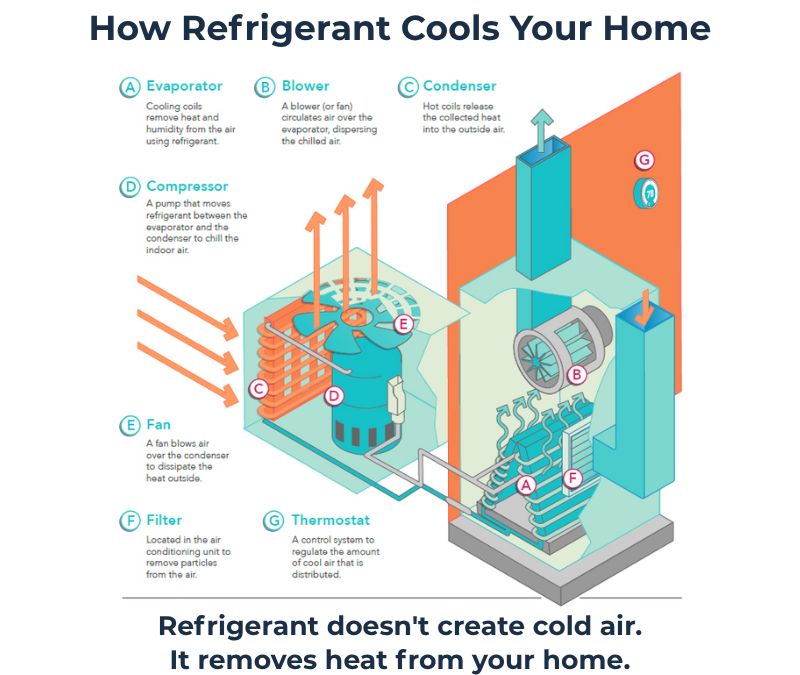
Refrigerant is what moves heat from inside your home to the outside. Without it, an air conditioner cannot cool your home.
For many years, R-22 was the standard refrigerant in home air conditioners across the United States. It cooled homes well, and it was reliable.
You may also hear R-22 called Freon. Freon is a brand name that people started using for R-22, the same way people say Kleenex for tissue and Clorox for bleach.
Why Was R-22 Phased Out?
R-22 was phased out because it harms the Earth's ozone layer.
The ozone layer is a layer of gas that helps protect the Earth from the sun's harmful rays. Scientists found that when refrigerants like R-22 leak into the air, they damage that layer.
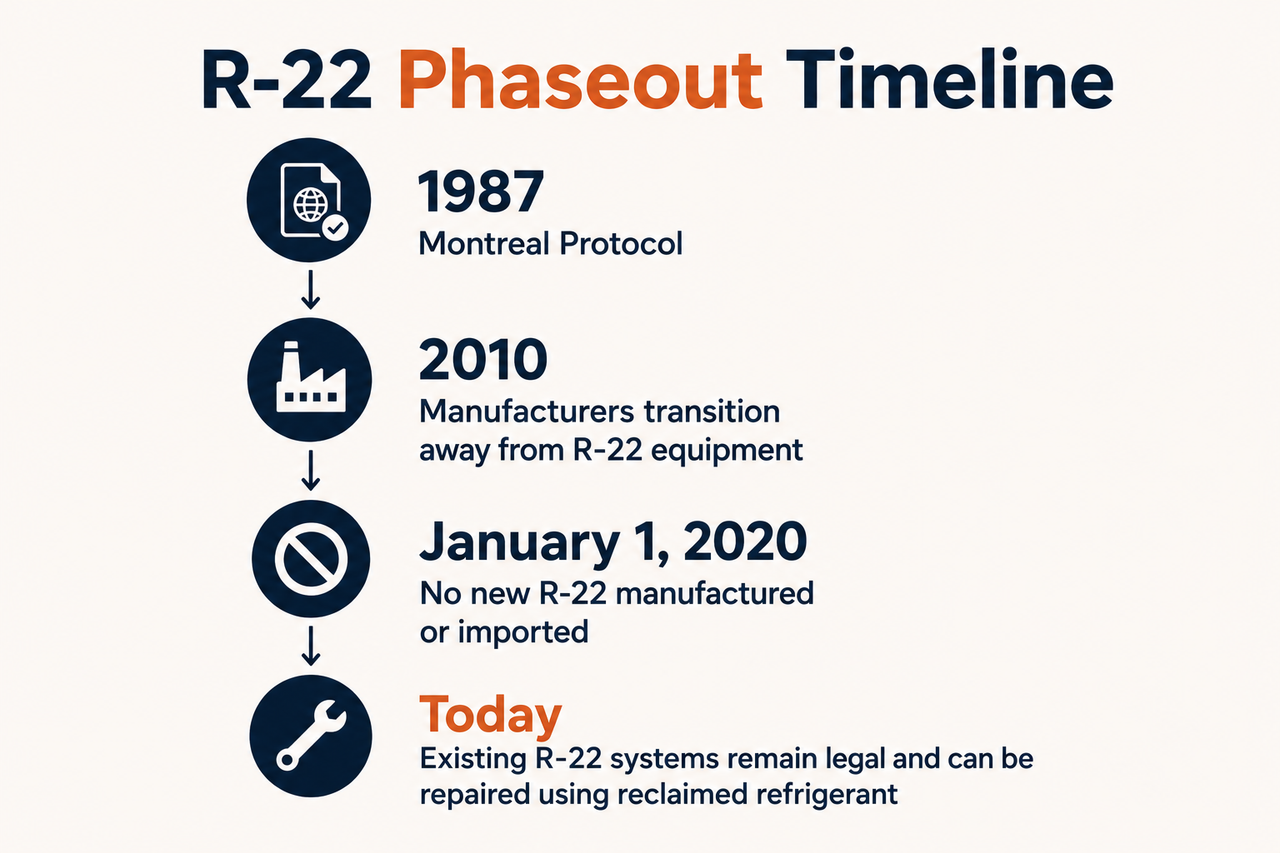
Countries around the world agreed to use fewer of these harmful substances through an agreement called the Montreal Protocol. In the United States, that agreement became law through the Clean Air Act.
The phaseout happened slowly, over many years.
First, manufacturers stopped building new home air conditioners that used R-22.
Then, starting January 1, 2020, no new R-22 could be made in the United States or brought in from other countries.
Air conditioners that already used R-22 stayed legal to own and run. The EPA does not require homeowners to replace a working R-22 system.
Can You Still Repair an R-22 Air Conditioner?
Yes.
If your air conditioner uses R-22, you can keep using it as long as it works well.
The EPA does not make homeowners replace a working R-22 system.
Repairs get harder when the system has a refrigerant leak.
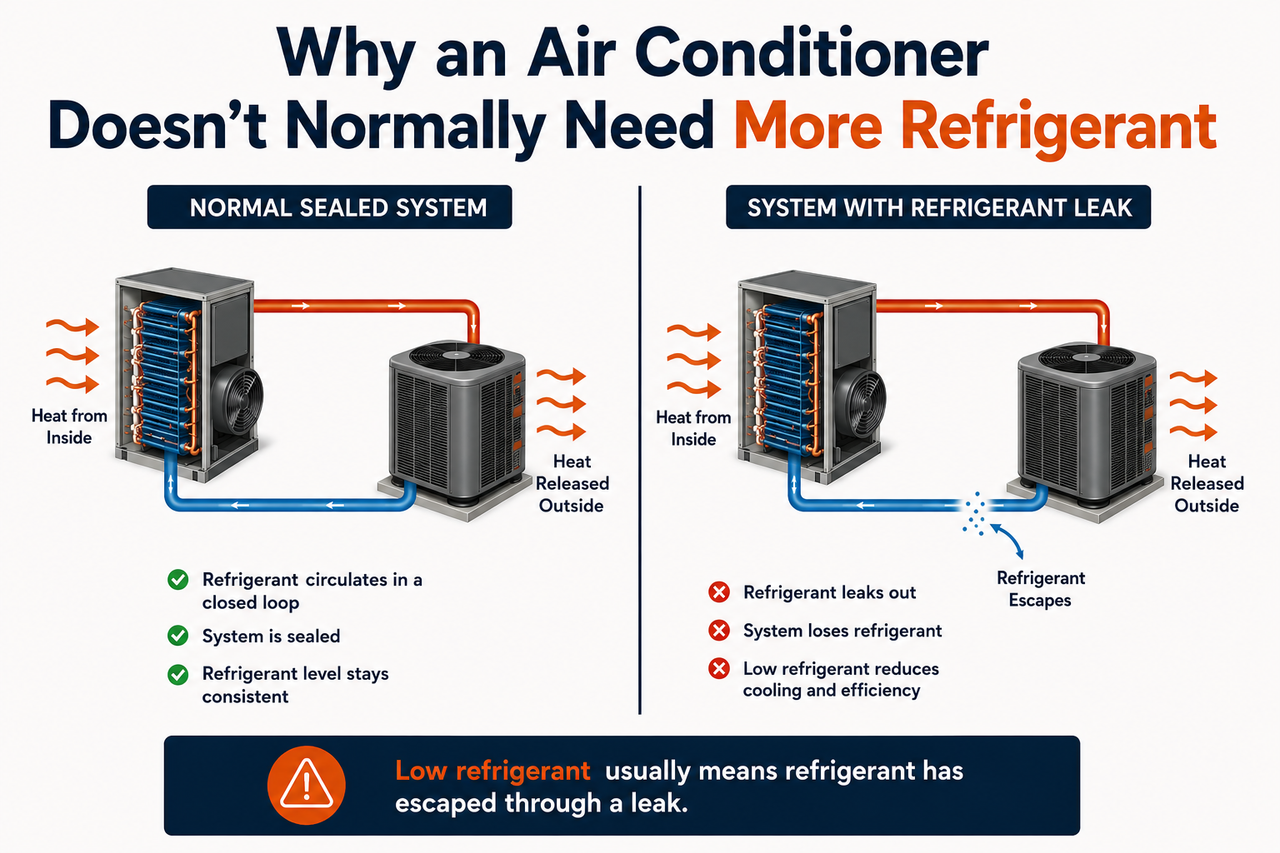
Air conditioners are sealed systems so refrigerant does not get "used up" when the system runs.
If the refrigerant is low, the system usually has a leak which should be fixed before more refrigerant is added.
After the leak is fixed, the missing refrigerant has to be replaced.
Sometimes there is another reason: When the system was first installed, it may have been given less refrigerant than the home needed.
Either way, more refrigerant is needed and that is where many homeowners run into higher repair costs.
Why Have R-22 Repairs Become So Expensive?
Often, the repair is not what got expensive. The refrigerant did.
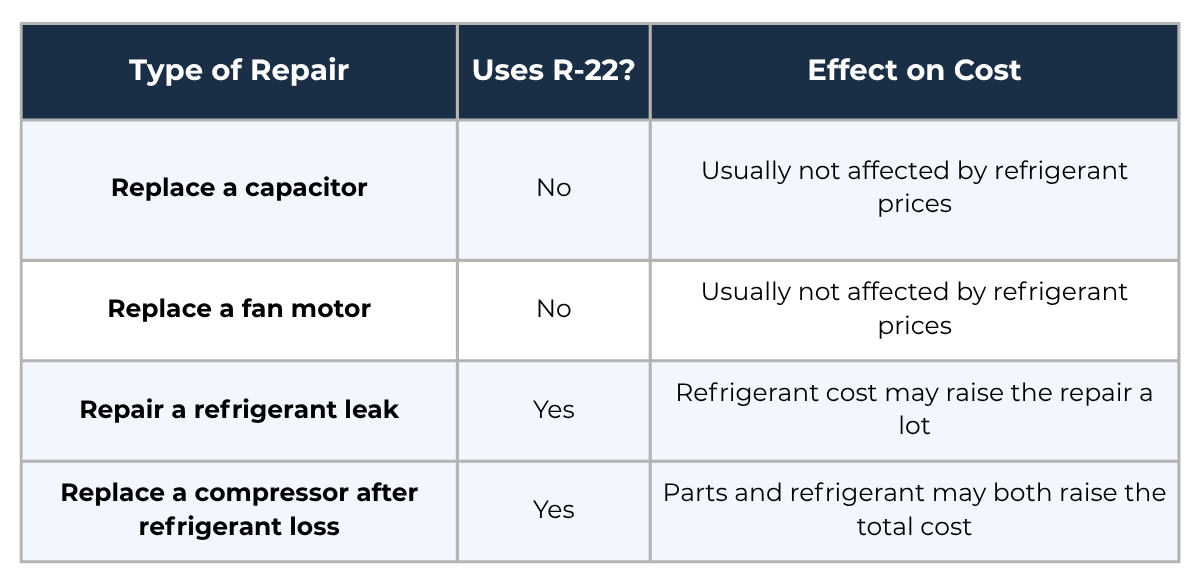
If an R-22 air conditioner needs a new capacitor, contactor, fan motor, or another part, the repair can still cost a fair price.
The cost usually goes up when the repair needs refrigerant.
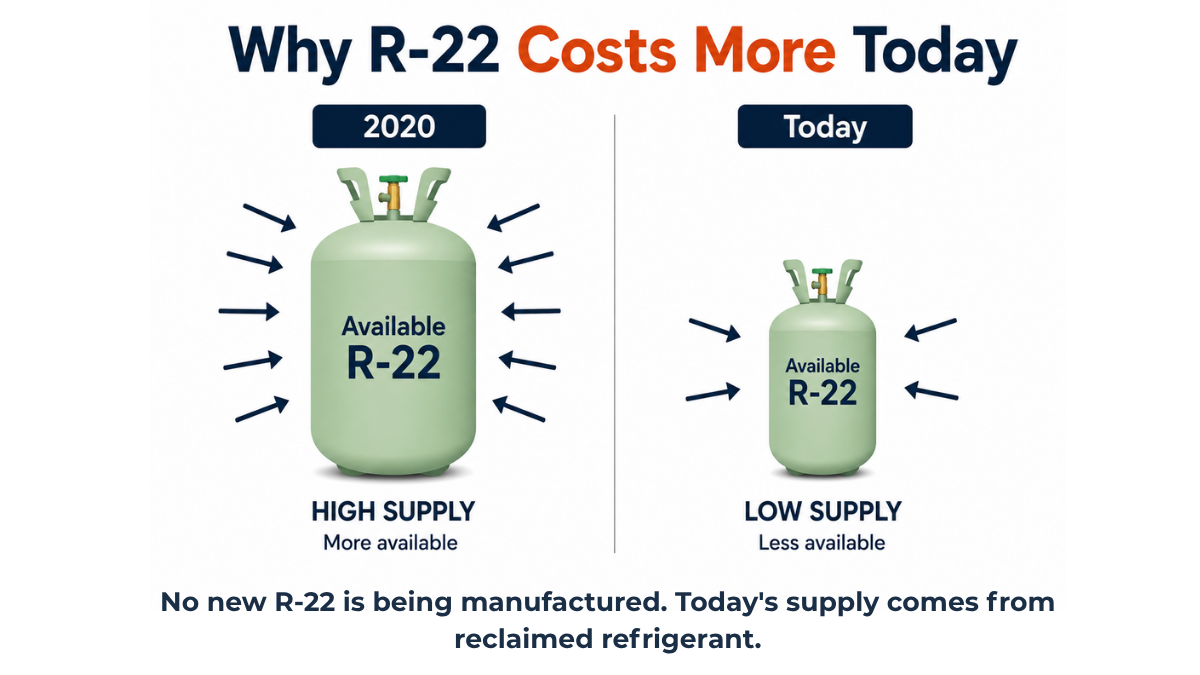
Since January 1, 2020, no new R-22 has been made in the United States or brought in. Every repair that needs more R-22 has to use reclaimed R-22, which is refrigerant that was taken out of old systems, cleaned, and approved to use again.
That reclaimed supply is limited.
As more R-22 systems reach the end of their lives, less refrigerant is left for the systems still running.
The result is simple: When there is less of something, and people still need it, the price usually goes up.
So repairs that need R-22 often cost much more today than they did a few years ago.
Can You Replace R-22 With Another Refrigerant?
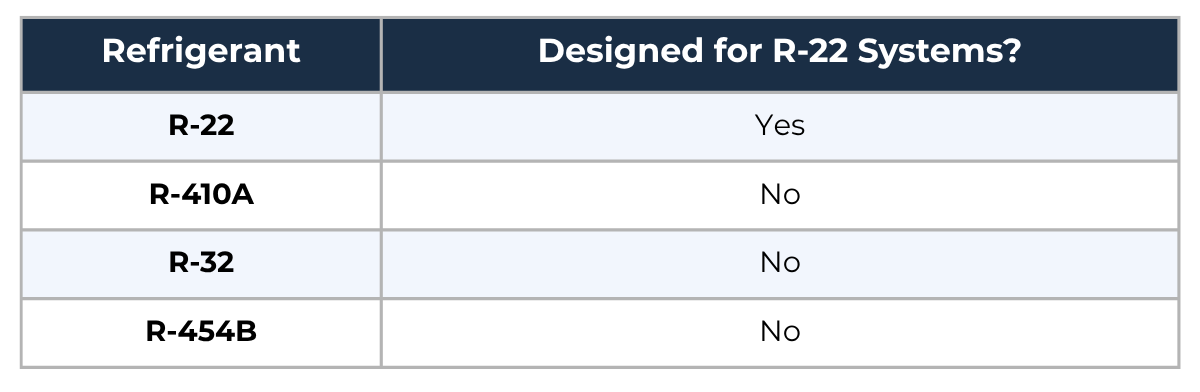
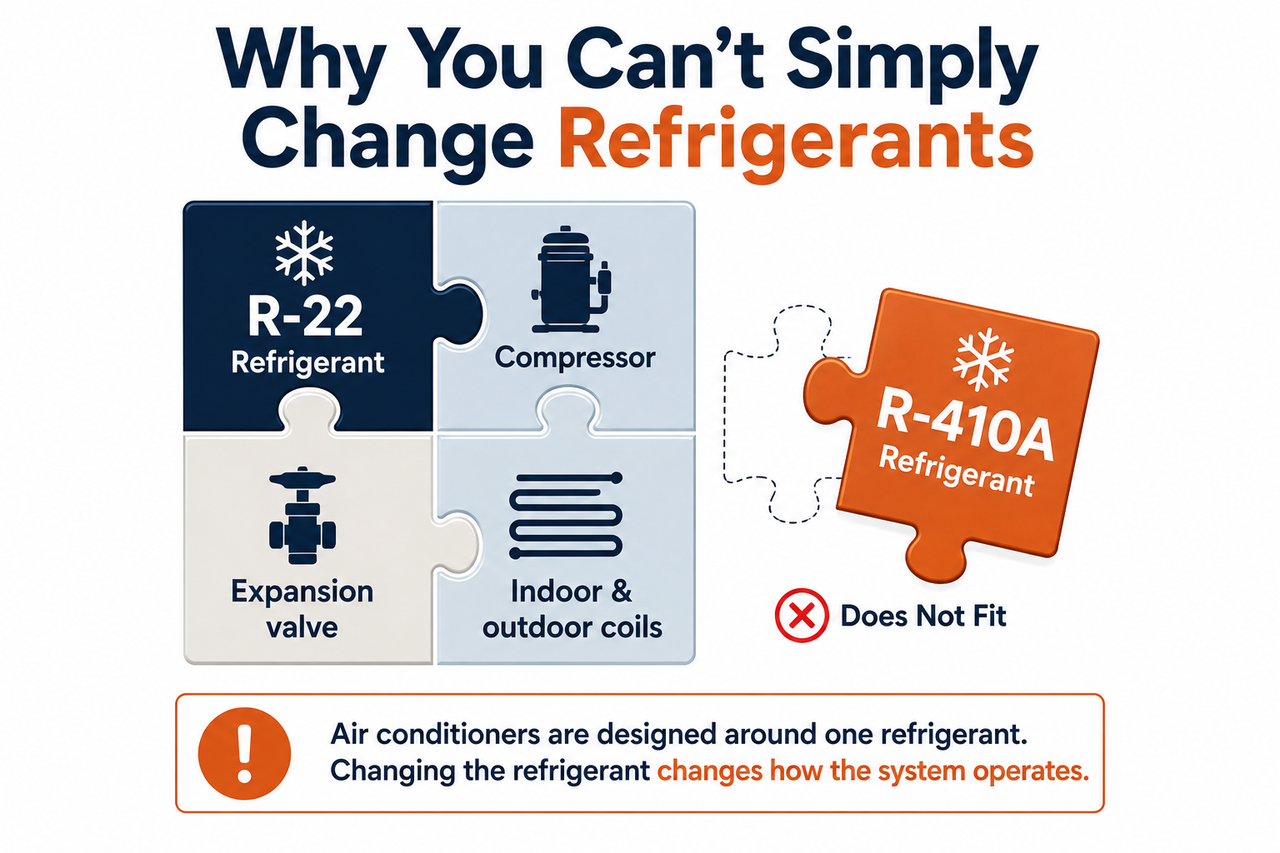
There is no direct swap that lets an R-22 system keep working just the way it was built to.
This is a fair question to ask.
If R-22 is expensive, putting in a newer refrigerant sounds like an easy fix, but air conditioners are not built that way.
Every air conditioner is designed around one refrigerant. That refrigerant runs at certain pressures, uses certain oils, and works with parts built for those conditions.
Change the refrigerant, and you change how the whole system runs.
The EPA says there is no "drop-in" replacement for R-22. Other refrigerants need equipment changes, so they are not direct swaps.
Some older systems have been changed over to other refrigerants, but only after big modifications. That is not right for every system, and it is not a simple refrigerant swap.
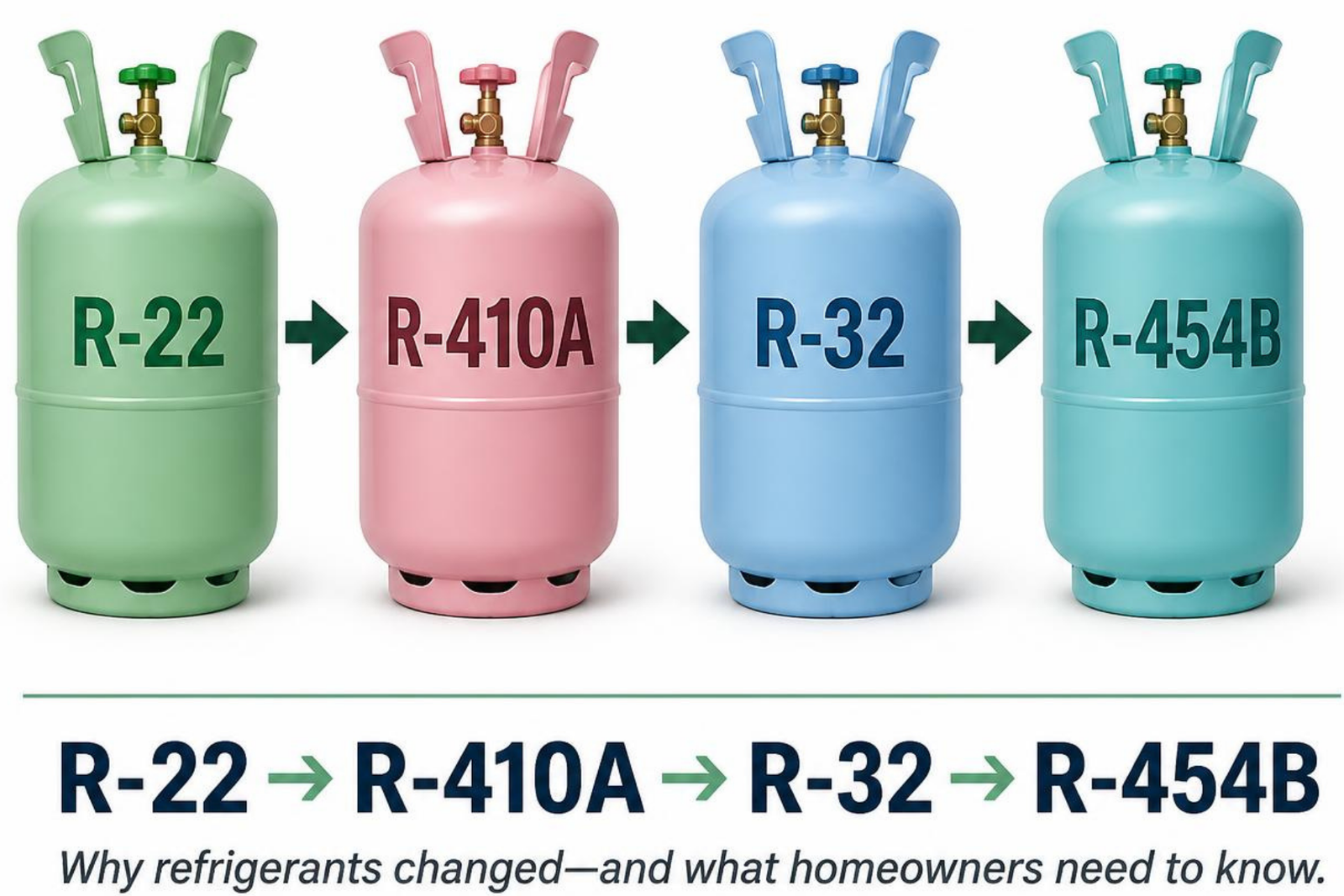
If R-22 Was Replaced, Why Was R-410A Replaced Too?
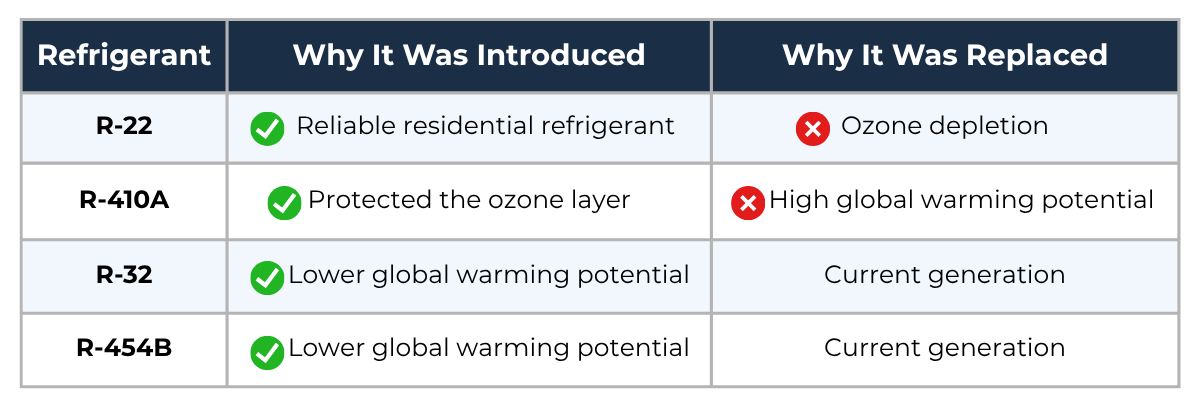
Each refrigerant change fixed a different problem for the environment.
When R-22 was phased out, manufacturers needed a new refrigerant for home air conditioners.
Most chose R-410A. Unlike R-22, R-410A does not harm the ozone layer.
That fixed one problem.
Later, researchers found that R-410A has a high global warming potential, or GWP, if it leaks into the air. Global warming potential (GWP) is a score for how much a gas could warm the planet, a lower number is better.
Because of that, the United States made a new rule. Starting in 2025, new home air conditioners and heat pumps must use a refrigerant with a global warming potential below 700.
That rule led manufacturers to switch to refrigerants like R-32 and R-454B.
Systems that already use R-410A are still legal to own, run, and repair. The rule is only for newly built equipment, not for systems already in homes.
Why Do New Air Conditioners Use Different Refrigerants?
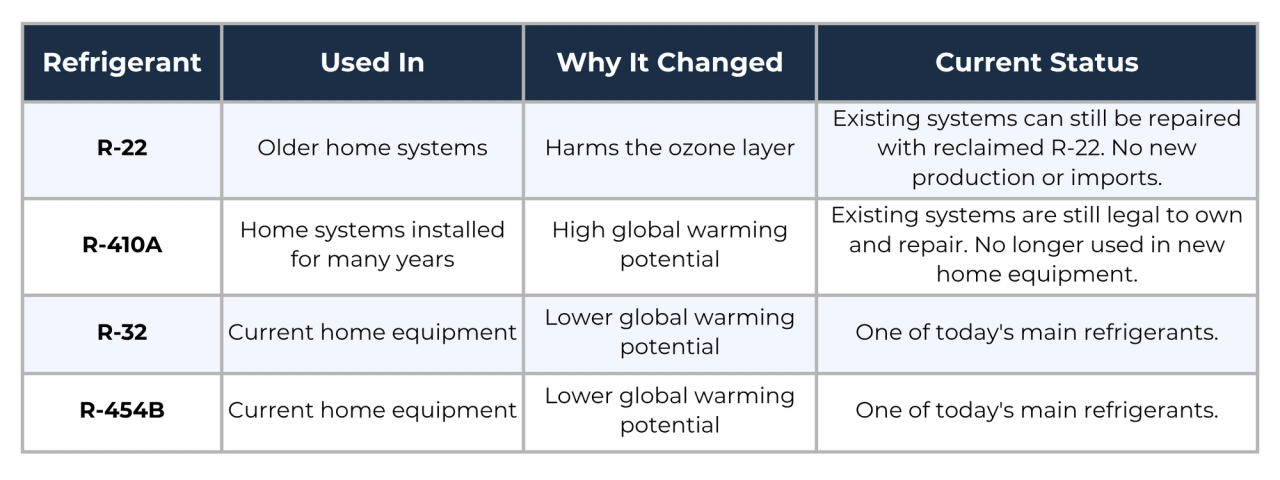
Today's home air conditioners use either R-32 or R-454B because newer rules called for a refrigerant with a lower global warming potential.
If you replace an older air conditioner today, you will likely hear about R-32 or R-454B.
These are the two refrigerants most manufacturers now use in new home equipment.
Both meet the current EPA rules for newly built home air conditioners and heat pumps. Both cool homes well. Both have a much lower global warming potential than R-410A.
If you have looked at new systems, you may have noticed that manufacturers do not all use the same refrigerant.
Some manufacturers chose R-32.
Others chose R-454B.
Refrigerants at a Glance
What Is the Difference Between R-32 and R-454B?
R-32 and R-454B were made to meet the same goal, but they are different refrigerants.
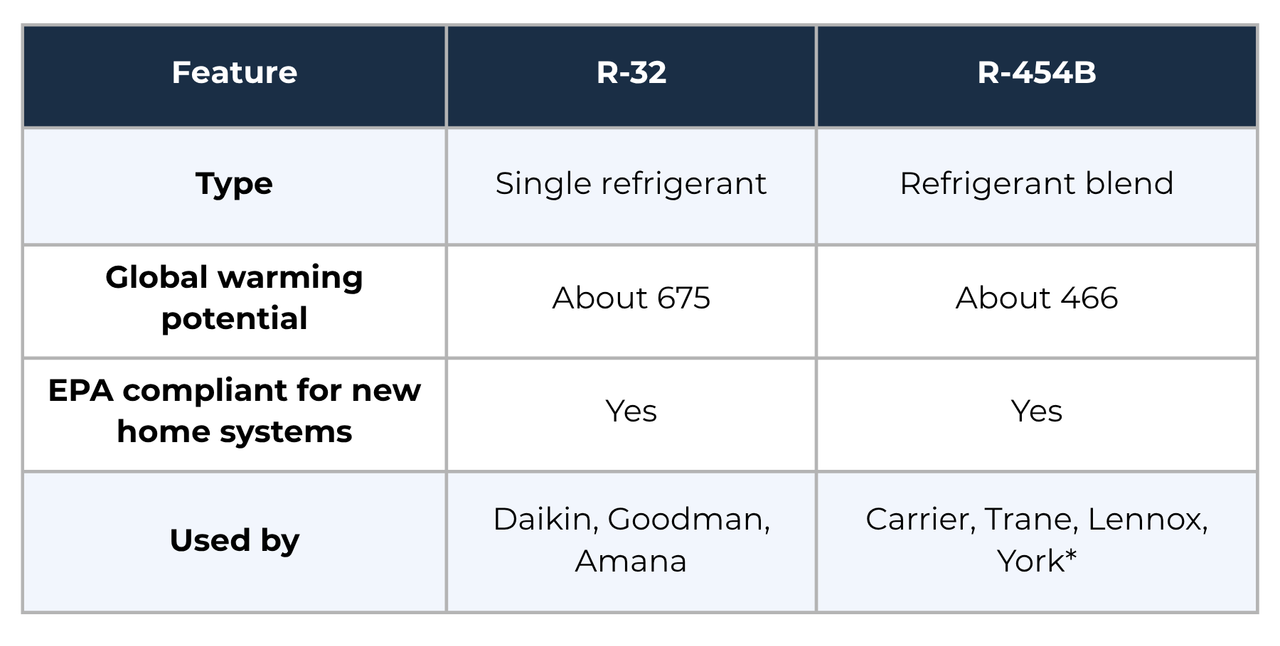
R-32 is a single-component refrigerant, which means it is made of just one refrigerant.
R-454B is a blend, which means it is a mix of two refrigerants. About 69% of it is R-32. The rest is a refrigerant called R-1234yf, which lowers its overall global warming potential (GWP).
Both are in a safety class called A2L. A2L refrigerants have low toxicity, which means they are not very poisonous, and they are only mildly flammable, which means they do not catch fire easily. New equipment built for these refrigerants includes safety features and follows updated installation standards for A2L refrigerants.
For homeowners, the difference between R-32 and R-454B usually will not change how the system works day to day. Both are made to cool your home well when they are used in equipment built for them.
Why Didn't Every Manufacturer Choose the Same Refrigerant?
The rules set the goal. Manufacturers picked different ways to reach it.
The EPA said new home air conditioners had to move to a refrigerant with a global warming potential below 700.
But the rules did not tell manufacturers which refrigerant to pick.
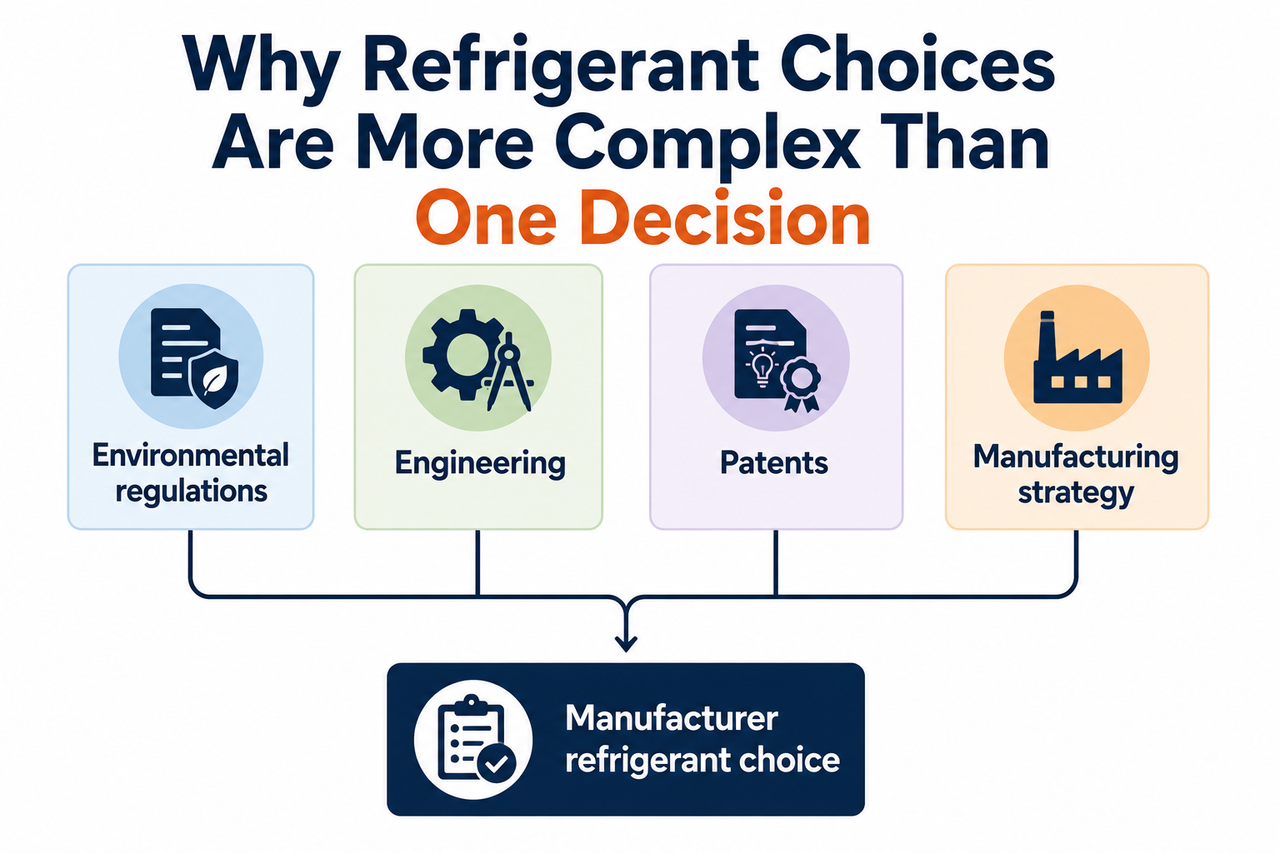
Each manufacturer looked at things like system design, performance, how the units are built, long-term plans, and cost before choosing a refrigerant.
That is why homeowners shopping for a new air conditioner may see different refrigerants, depending on the brand.
This happens in many industries:
- Car makers often solve the same problem in different ways.
- Computer companies use different processors.
- HVAC manufacturers made different refrigerant choices while meeting the same rule.
Did Patents and Business Decisions Influence These Choices?
The rules explain why refrigerants changed. Patents and business choices help explain why manufacturers picked different ones.
The move away from R-22 and R-410A was driven by environmental rules.
The choice between R-32 and R-454B had a few more parts to it.
Daikin put a lot of money into R-32. It also made hundreds of its R-32 patents available for free through what is called a patent non-assertion pledge, which is a promise not to sue companies that use those patents. The goal was to help more manufacturers adopt R-32.
R-454B includes R-1234yf, a refrigerant developed through major research by two companies, Chemours and Honeywell. The patents tied to R-1234yf have shaped how it is made, licensed, and supplied across the industry.
Those business choices help explain why manufacturers picked different refrigerants, and why the price and supply can be different from one to the next.
Should You Repair or Replace an R-22 Air Conditioner?
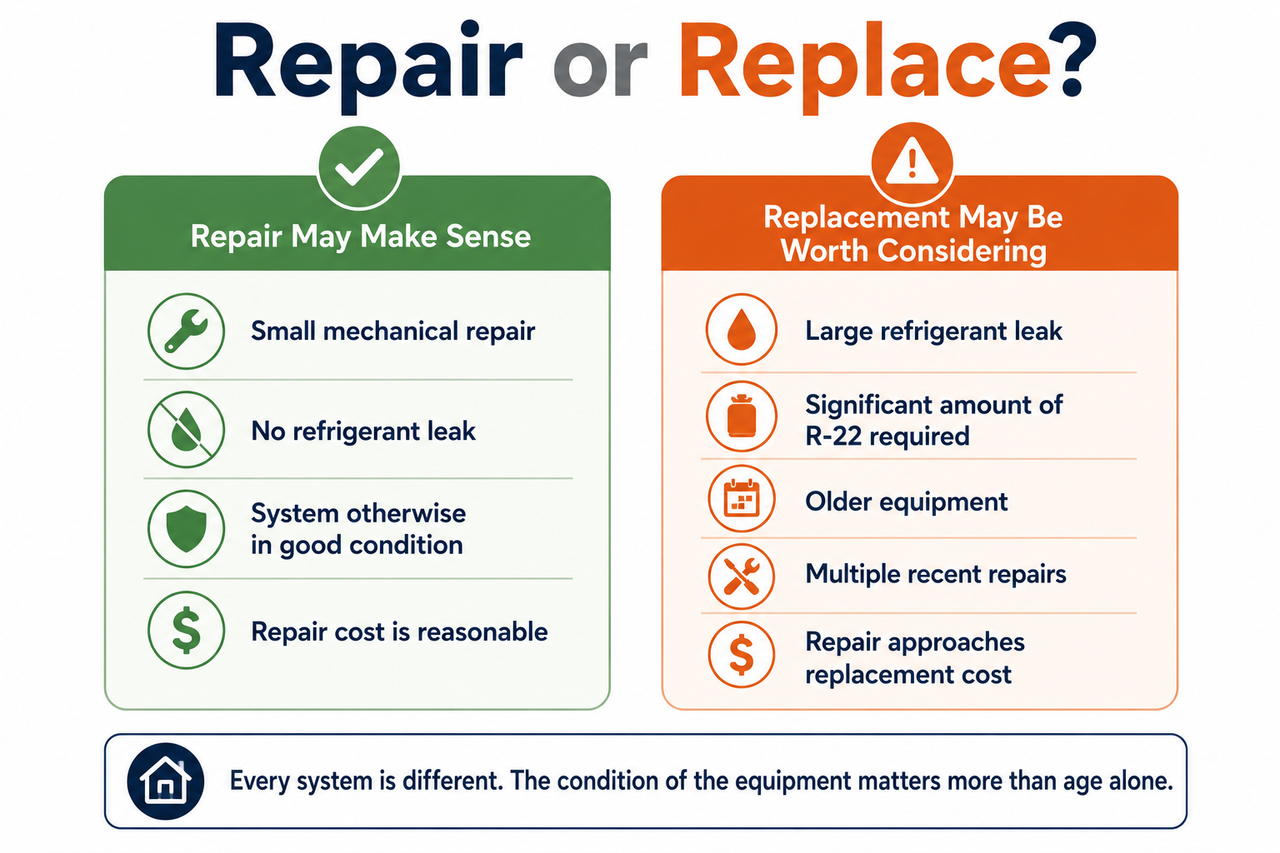
The right choice depends on the shape your system is in, the kind of repair it needs, and how much R-22 is required.
There is no single answer that fits every home.
Some R-22 systems still run well and only need small repairs. Others have big refrigerant leaks, worn-out compressors, or several aging parts that make replacing the system the better long-term choice.
A technician should look at the whole system before saying whether to repair or replace it.
That check should look at:
- The age of the equipment
- The condition of the compressor
- Whether refrigerant has leaked out of the system
- How much R-22 is needed
- The total repair cost
- How much life the equipment has left
A repair for a capacitor or fan motor is very different from a repair that needs several pounds of recycled R-22. For help making the Repair vs Replace decision read our article AC Repair vs. Replace: How to Actually Decide
If replacing the system turns out to be the better move, there are a few ways to pay for a new system. Read our article How to Pay for a New HVAC System in Cypress and Katy (Without Draining Your Savings)
Conclusion
Refrigerants changed for the environment, but those changes also shaped how today's air conditioners are built, made, and serviced.
If your home still has an R-22 air conditioner, that does not mean it is time to replace it.
Many R-22 systems still cool homes well.
But when a repair needs refrigerant, the small supply of reclaimed R-22 can make that repair much more expensive than it would have been years ago.
If you are looking at a new system, you will likely see R-32 or R-454B. Both are part of today's group of home refrigerants, and both meet current rules for newly built equipment.
Knowing why these refrigerants changed can make it much easier to follow a conversation with your HVAC contractor.
If you are trying to decide whether to repair or replace an older R-22 system, the next step is to have the equipment checked. The shape of the system, the kind of repair it needs, and the total cost all help show which choice makes the most sense.
If you are deciding whether to repair or replace your system, read "AC Repair vs. Replace: How to Actually Decide." It walks through what matters most, including repair costs, system age, and long-term value.
Frequently Asked Questions
Is it illegal to own an R-22 air conditioner?
No. R-22 systems are still legal to own and run. The EPA does not make homeowners replace a working R-22 system.
Can technicians still buy R-22?
Yes. Technicians can still buy reclaimed R-22 (recycled refrigerant) that has been taken out of old systems, cleaned, and approved for reuse. No new R-22 is made in the United States or brought in from other countries.
Can I replace R-22 with R-410A?
No. An R-22 system was built to run on R-22. R-410A runs under different conditions, so it is not a direct swap.
Can I replace R-22 with R-32 or R-454B?
No. Neither one is a direct swap for R-22. New systems are built for the exact refrigerant they use.
Is R-410A being phased out?
Yes, but systems that already use it are still legal to own and repair. The change is only for newly built home equipment. If your current system uses R-410A, you do not have to replace it because of the refrigerant.
Are R-32 and R-454B safe?
Yes. Both meet current safety standards when they are used in equipment built for them. They are A2L refrigerants, which means low toxicity and only mild flammability. New equipment includes safety features made for them.
Which refrigerant is better?
Neither one is better for everyone. Both meet current rules, and both cool homes well. The quality of the installation, the design of the system, and good maintenance usually matter more for comfort and reliability than whether the equipment uses R-32 or R-454B.
Will refrigerants keep changing?
Probably. The HVAC industry has changed refrigerants several times over the past few decades. Rules, technology, and how equipment is built keep changing too. Future refrigerants may one day replace today's options, just as R-410A replaced R-22.